In the world of scrap metal, few commodities command the respect, demand, and premium price of Copper Millberry. It’s not just scrap; it represents the highest quality grade of recycled copper, a vital raw material that fuels global industries, from cutting-edge electronics to essential infrastructure. Understanding what constitutes Millberry and its role in the circular economy provides a key insight into the efficiency and sustainability of modern manufacturing.
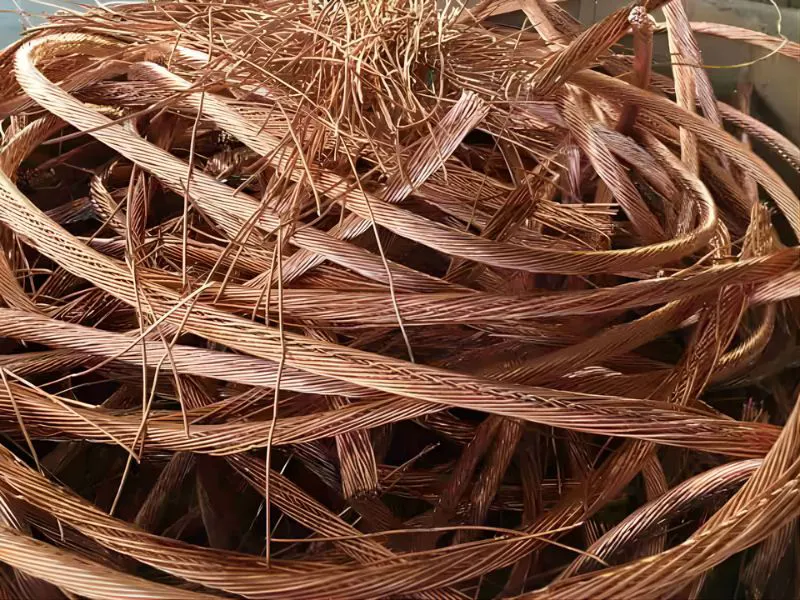
Copper Millberry is the industry term used to describe unalloyed, uncoated, and untinned copper wire and cable that is clean and bright. It is essentially bare, bright copper wire, completely free of any attachments, insulation, or contaminants like solder, paint, or other metallic impurities. Its exceptional cleanliness is what sets it apart and makes it the most desirable grade of copper scrap. The name “Millberry” is a term often used in the scrap metal industry, and in the official classification standards established by the Institute of Scrap Recycling Industries (ISRI), this material is typically classified as “Barley”.
To qualify as Millberry, the copper wire must typically have a minimum diameter, often cited as at least 1.6 mm (approximately 14 AWG), though some buyers may require thicker gauges (2mm-8mm) for the highest premium. This gauge ensures that the wire comes from sources like building wiring or heavy electrical cables, which are generally stripped of their insulation mechanically to maintain the integrity and purity of the copper metal. The bright, shiny surface is a hallmark, indicating that the wire has not been exposed to excessive heat or burning to remove the insulation, a practice that significantly degrades the metal’s quality and value.
Copper Millberry is the foundational material for manufacturing new, high-specification copper products. Its purity makes it the top choice for any application where maximum electrical efficiency and reliability are critical. Its primary uses are concentrated in sectors driving modern technological and infrastructural development:
In essence, Millberry ensures that the copper conducting electricity today is of the same—or better—quality as the copper that will conduct electricity tomorrow.
The sourcing and trade of Copper Millberry are central to the global circular economy. Recycling copper requires up to 85% less energy than primary production (mining and smelting), dramatically lowering the carbon footprint of copper-intensive industries. The high market demand for Millberry incentivizes responsible recovery and meticulous processing of copper waste, diverting millions of tons of material from landfills each year.
The journey of Millberry often begins with the decommissioning of old infrastructure—like obsolete power cables or outdated building wiring—or industrial scrap generated during the manufacture of new copper products. Specialized recycling facilities use advanced wire-stripping equipment to separate the insulation without burning, thus preserving the metal’s bright, clean surface and its premium classification.