The United Arab Emirates (UAE) has cemented its position as a major global player in the trade and processing of copper scrap, transforming industrial and construction waste into a valuable commodity. Far from being mere refuse, copper scrap is a cornerstone of the nation’s robust non-oil economy, driven by its strategic location, massive infrastructure development, and a growing commitment to the circular economy. This dynamic market is not only profitable for local traders but also serves as a critical link in the international supply chain for copper, one of the world’s most essential industrial metals.
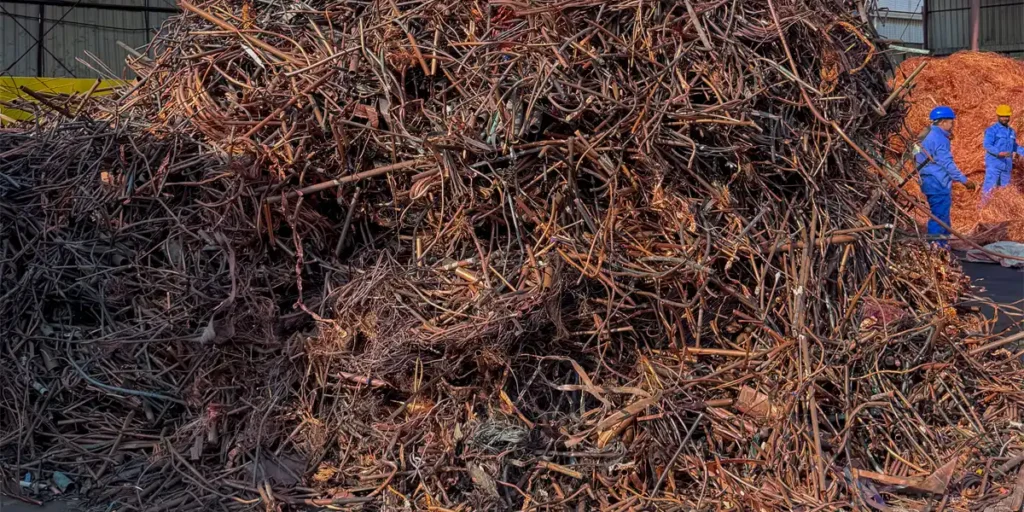
The trade in copper scrap is a highly lucrative component of the UAE’s metal recycling industry. The value of copper scrap exports from the UAE is substantial, reflecting its role as a key consolidator and re-exporter. In 2023, the exports of “Copper waste and scrap” (HS 7404) from the UAE totaled approximately $868 million, marking a significant increase of 38% compared to the previous year. This substantial figure underscores the robust international demand for UAE-sourced scrap and the nation’s effective logistical infrastructure.
The scrap copper is primarily sourced from local demolition, construction, and industrial activities, as well as being imported from neighboring Gulf and African nations. Key export destinations for this valuable commodity include major industrial economies like China, Pakistan, India, Korea, and Japan, where the scrap is fed into local refining and manufacturing processes. This global reach highlights the UAE’s function as a central trading and re-export hub for non-ferrous metals.
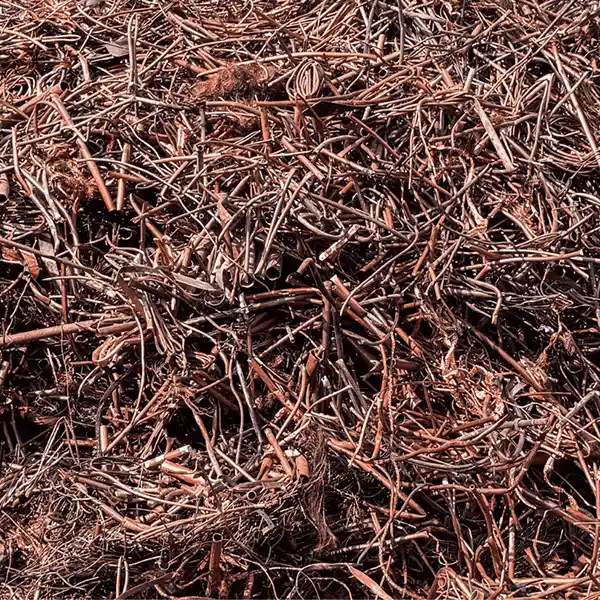
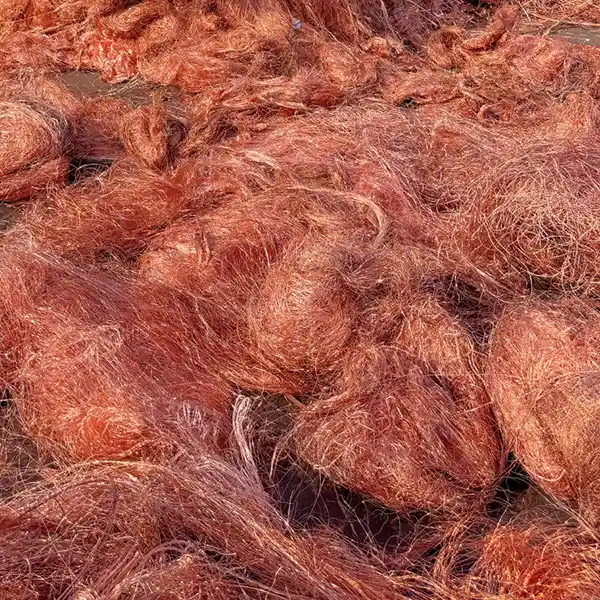
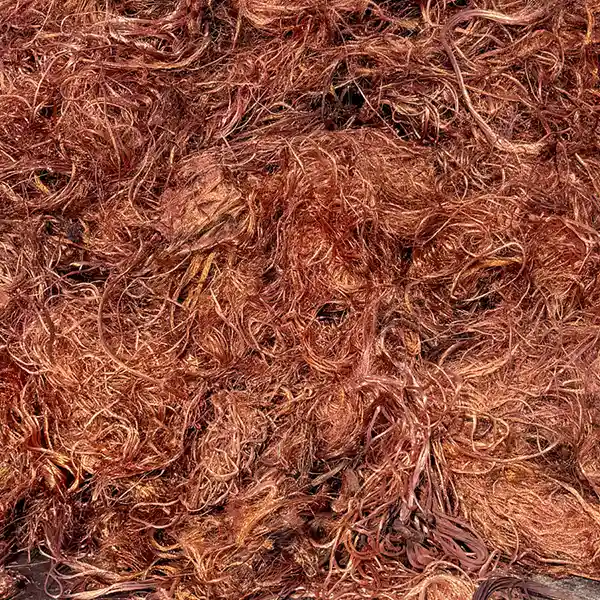
The material driving this trade includes various grades of copper scrap, with high-purity types like ‘Bare Bright Copper’ fetching premium prices. Other common forms include insulated copper wires (ICW), copper tubing from air conditioning units and plumbing, and scrap from electrical motors and industrial machinery.